Dog Name Generator and Selection Guidelines
Selecting the right dog name requires understanding how canines process human vocal sounds. Canine behavioral guidance from the American Kennel Club emphasizes choosing a short name with two syllables and distinct, sharp consonant sounds. Two-syllable names create a natural inflection that alerts a dog's attention, while avoiding names that rhyme with core obedience commands prevents training confusion and reinforces clear, responsive communication.
Dog Name Generator and Selection Guidelines tool
Tater
UnisexDown-home diminutive for potato
Forest
maleOld French and English woodland landscape
Ripley
UnisexEllen Ripley, resourceful protagonist of the Alien sci-fi franchise
Otto
maleGermanic prosperous and wealthy
Toby
maleGreek/Hebrew meaning God is good
Buddy
maleEnglish informal term for close companion or friend
Checkers
UnisexRichard Nixon's famed cocker spaniel
Hugo
maleGermanic mind and intellect
Maggie
femaleDiminutive of Margaret meaning pearl
Meadow
femaleSunlit grassland dotted with wild flora
Chunky
UnisexStout solid build with hearty appetite
Zeus
maleKing of the Olympian gods, wielding the lightning bolt
No names match your exact combination of filters.
Try selecting "All" for style or breed size to view more candidates.
On this page
Acoustic principles of canine name recognition
Welcoming a new puppy or rescue dog into your family brings the fun task of selecting their lifelong name. While humans choose names based on personal sentiment, literary heroes, or humorous references, a dog perceives their name strictly as an acoustic cue.
In canine training and behavior science endorsed by the American Kennel Club, a dog’s name is not an expression of personal identity. Instead, it is a specialized recall cue that signals: Stop what you are doing, look at me, and prepare for instruction.
To make this auditory cue as reliable as possible, understanding how dogs process sound frequencies helps you select a name that cuts through background distractions in busy homes, dog parks, and outdoor trails. For breed-specific characteristics and gift ideas, explore our central dog breed gift guides section.
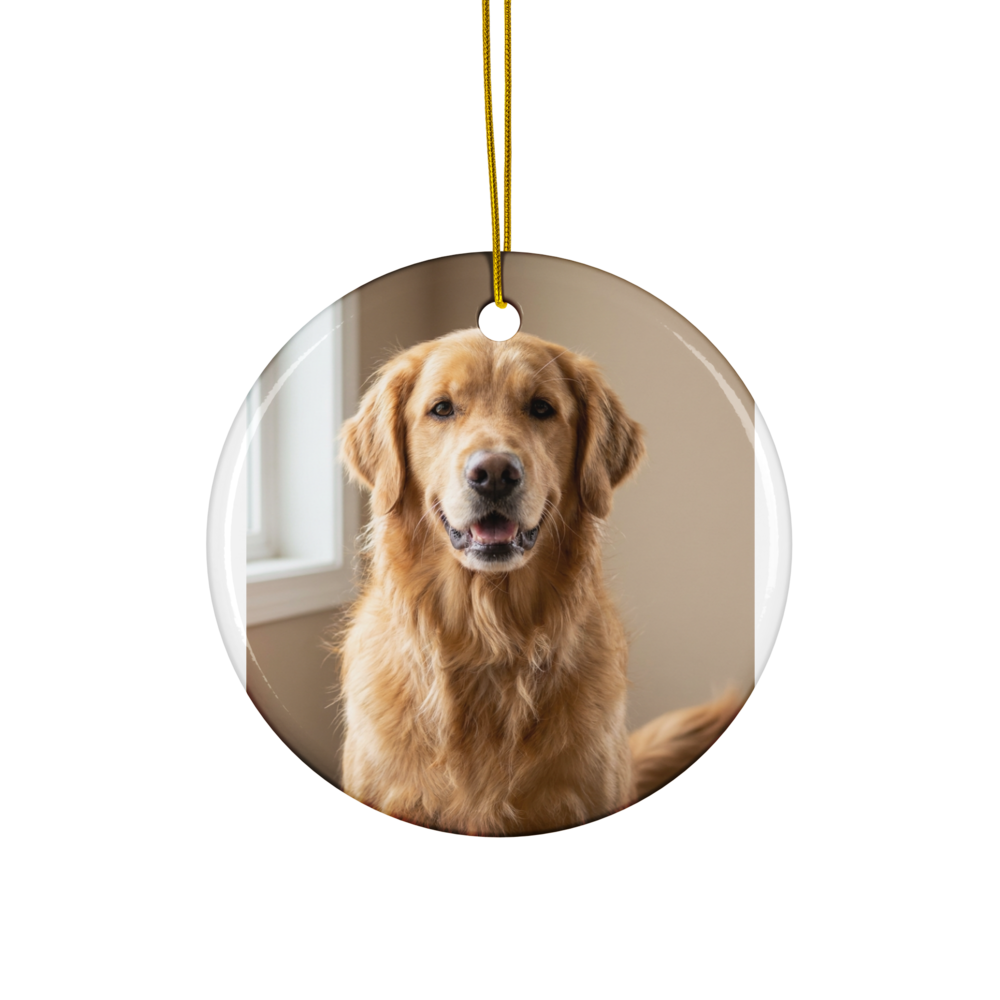
The two-syllable inflection advantage
Professional dog trainers and kennel clubs widely recommend choosing a name with exactly two syllables. While single-syllable names like Max or Jack can work, two-syllable names offer significant acoustic advantages:
The primer and cue structure
According to American Kennel Club guidance, a dog’s name functions primarily as a verbal cue signaling that something relevant is about to happen, and two syllables give you room to vary stress and intonation:
- Short, snappy delivery makes the name easy to recognize amid the constant background of human speech.
- Two beats ending in a vowel (such as “Daisy” or “Rocky”) let you vary emphasis and tone, which fMRI brain scan research shows dogs use to understand what we mean.
Vocal pitch modulation
Human voices naturally alter pitch across two syllables. In English, speakers can vary inflection across two-syllable names (such as “Coo-per” or “Bai-ley”)—for example, starting at a lower pitch and raising pitch toward the end when serious, or doing the reverse when feeling playful.
In contrast, long names with three or four syllables (such as Bartholomew or Penelope) take too long to articulate during high-stakes emergency recall situations. In practice, owners inevitably shorten long names to one or two syllables anyway.
Avoiding obedience command phonetic overlap
The most common mistake new dog owners make is selecting a name that sounds phonetically similar to everyday obedience commands. Dogs do not listen to entire consonants and vowel nuances the way humans do; they identify rhythmic cadence, vowel length, and sound frequency.
When a name rhymes with a core command, your dog may hesitate or perform the wrong behavior during training.
High-risk name and command pairings
- “Stay” sound collisions: Names ending in a long ay sound—such as Ray, Kay, Faye, Trey, or Clay—sound nearly indistinguishable from the command Stay when shouted across a yard.
- “No” sound collisions: Names featuring a long o sound—such as Bo, Beau, Milo, Bruno, or Joe—can be mistaken for the negative reprimand No.
- “Sit” sound collisions: Short, clipped names like Mitt, Kit, Brit, or Pitt share the exact vowel tone and hard terminal stop of Sit.
- “Down” sound collisions: Names like Brown, Clown, or Crown can easily be confused with Down.
- “Heel” sound collisions: Names like Neil, Seal, or Dale can create hesitation when teaching loose-leash walking or competition Heel.
Selecting a name with distinct phonetics ensures your training cues remain crisp and unmistakable.
The power of hard consonants and vowel endings
When comparing how different names sound in everyday environments, trainers weigh traditional phonetic advice alongside modern canine cognition research:
- Hard consonants vs. speech-sound research: Traditional advice recommends starting with or including a hard consonant like D or K rather than softer sounds like S or F, since crisp sounds may be easier to notice in a noisy environment. However, the American Kennel Club notes that recent research shows the average dog does not differentiate between similar-sounding human speech sounds—for instance, a nonsense word like “shay” often gets the same response as “stay,” and dogs may not notice the difference between Josie and Cody.
- Ending vowel sounds: Two-syllable names that end in a vowel—such as Daisy or Rocky—are ideal for varying stress, pitch, and intonation so your dog can read your tone of voice.
- Avoiding long, singsong names: Short, snappy names are much easier to call out in an emergency than long, soothing, or multi-syllable names.
Field testing your dog’s prospective name
Before ordering custom collars, engraved tags, or keepsakes from our custom pet photo ornament collection, test your top candidate names for two or three days:
- The doorway test: Stand at an open back door and call the prospective name loudly five times in a row. Does the name roll smoothly off your tongue without feeling awkward or tongue-tying?
- The distraction test: Say the name in a neutral, calm tone while your dog is exploring a new toy. A well-constructed acoustic name will prompt an immediate ear flick or head turn.
- The household consensus: Ensure every family member pronounces the name with the identical vowel emphasis so your dog hears a consistent auditory signal.
Frequently asked questions
Why are two-syllable dog names considered the most effective?
Two-syllable names—especially those ending in a vowel like Daisy or Rocky—make it easy to vary stress, pitch, and intonation. As the American Kennel Club notes, fMRI brain scan research shows that dogs rely on how we say words alongside the words themselves to understand our meaning. In contrast, long multi-syllable names are a mouthful in emergency recall situations.
Which common dog names create confusion with obedience commands?
Names that share similar vowel sounds and terminal consonants with training commands cause acoustic confusion. For example, names like Kay, Ray, or Faye sound virtually identical to Stay. Bo, Joe, or Beau rhyme with No. Mitt, Kit, or Brit can easily be mistaken for Sit, while Neil or Dale may sound like Heel during training.
How do hard consonant sounds help dogs recognize their names?
Common training advice favors starting with or including a hard consonant like D or K, since sharp sounds may be easier to notice in a noisy environment than softer consonants like S or F. However, the American Kennel Club notes that recent research shows the average dog does not differentiate between similar-sounding human speech sounds, such as Josie and Cody.
Can you change an adult or rescue dog's name successfully?
Yes. Dogs do not possess human self-identity linked to names; they interpret a name as an auditory cue indicating that attention or action is requested. To transition to a new name, pair the new word immediately with high-value treats and enthusiastic praise for several days. Most dogs learn to recognize and respond happily to their new name within one to two weeks.
Should a dog's registered kennel name match their call name?
Show and performance dogs registered with organizations like the American Kennel Club frequently carry elaborate multi-word official titles reflecting lineage and breeder kennel prefixes. However, owners always establish a simple, one- or two-syllable everyday call name for training, home living, and field work. For example, a dog officially registered as 'Majestic Valley Northern Star' might simply be called 'Star' or 'Ollie'.