Pet sympathy cards: heartfelt messages, etiquette, and timing
A pet sympathy card offers comfort by validating the sorrow of losing a companion animal. To write a comforting message, address the pet by name, acknowledge their unique personality, and share a fond memory or validate the loving care the owner provided. Sending a card immediately shows timely support, while our custom photo sympathy cards let you personalize the cover.

Pet sympathy cards: heartfelt messages, etiquette, and timing tool
On this page
The emotional significance of a pet sympathy card
Receiving a handwritten note in the mail provides immediate, lasting comfort to someone mourning a companion animal. While digital text messages are convenient, a paper card is a physical keepsake that can be kept on a mantle, placed on a bedside table, or tucked into a memory box. Within our wider collection of pet memorial gifts, sympathy cards serve as the primary, most accessible form of condolence. Research in the Journal of Applied Animal Welfare Science emphasizes that receiving sympathy from peers provides essential validation against disenfranchised grief, reassuring mourners that their emotional pain is respected.
Many people hesitate to send a card because they worry about saying the wrong thing or reopening fresh wounds. However, acknowledging a loss is always better than staying silent. An authentic message does not need to be poetic or elaborate; it simply needs to express genuine compassion and honor the bond between pet and owner.
When to send a pet sympathy card
Timing plays an important role in how sympathy messages are experienced by the recipient.
Immediate condolences: days one to five
Sending a card as soon as you learn of the pet’s passing is ideal. During the first few days, pet owners face disorienting silence in the house and the painful task of sorting through daily belongings. Arriving in the mailbox during this first week, a card provides immediate proof that friends and family care about their sorrow.
Thoughtful follow-up: three to four weeks later
If you only found out about the pet’s passing weeks later, do not let elapsed time prevent you from reaching out. In fact, receiving a condolence card three or four weeks after the loss can be especially meaningful. By that time, the initial flood of support has usually quieted down, leaving the owner to face the long-term reality of an empty home. A card sent during this window reminds them that their pet has not been forgotten.
Holiday and anniversary cards
First holidays and the one-year anniversary of a pet’s death are common milestones where grief sharpens. Sending a brief note saying, “Thinking of you today as you remember your sweet companion,” shows enduring sensitivity.
What to write: original example condolence messages
To help you draft an authentic note, here are original condolence messages categorized by recipient and relationship:
For close friends who lost a dog
- “Thinking of you as you remember [Dog’s Name]. Their joyful greetings at the door, energetic spirit, and loyal devotion were a true gift to everyone who knew them. You gave [Dog’s Name] such a wonderful, love-filled life, and I know how deeply you miss them. Holding you in my heart.”
- “I am so heartbroken for your loss. [Dog’s Name] was an exceptional companion, and the bond you two shared was visible in every walk and quiet moment. May the sweet memories of trail adventures and couch cuddles bring you comfort during these quiet days.”
For close friends who lost a cat
- “Sending you so much love as you mourn [Cat’s Name]. Their gentle purr, sunny windowsill perches, and affectionate headbutts brought such calm warmth to your home. Thank you for giving them such a safe, cherished life. I am here for you whenever you want to talk.”
- “I was deeply saddened to hear about the passing of [Cat’s Name]. The house must feel far too quiet without their graceful presence, but the love and companionship you shared will stay with you forever. Thinking of you with warmth.”
Short and sincere messages for acquaintances and coworkers
- “Please accept my deepest condolences on the loss of [Pet’s Name]. Companion animals hold such a special place in our lives, and I know how much they meant to you. Wishing you peace and comfort.”
- “I am so sorry to hear about the passing of your beloved [Pet’s Name]. Thinking of you and your family during this difficult time.”
- “Sending warm thoughts your way as you remember [Pet’s Name]. May fond memories bring a smile to your face as you honor their life.”
Messages recognizing the dedication of senior or special-needs pet care
- “The loving, devoted care you gave [Pet’s Name] throughout their senior years was inspiring. They were so fortunate to have had you by their side through every stage of life. Rest in peace, sweet friend.”
- “You gave [Pet’s Name] the greatest gift a companion could ask for: unconditional love, patient comfort, and a gentle farewell. You could not have done more for them. Sending you immense sympathy.”
Phrases to avoid when writing a condolence message
Even well-intentioned words can hurt if they minimize the loss. When writing your card, be mindful to avoid:
- Minimizing language: Avoid saying “they were just a dog” or “at least it wasn’t a person.” These phrases disregard the neurological and emotional reality of companion bonds.
- Replacement suggestions: Never write “now you can adopt another puppy” or “are you going to get another cat soon?” Animals are irreplaceable individuals.
- Silver linings: Avoid statements like “at least you will save money on vet bills” or “at least you can travel more now.” Practical silver linings sound callous to a grieving heart.
- Comparing losses: Keep the focus on their specific experience rather than comparing it to your own past losses or other tragedies.
For more guidance on supporting a friend through thoughtful gestures and etiquette, consult our comprehensive guide on pet memorial and pet loss gifts.
Custom photo sympathy cards from Shop Pet Direct
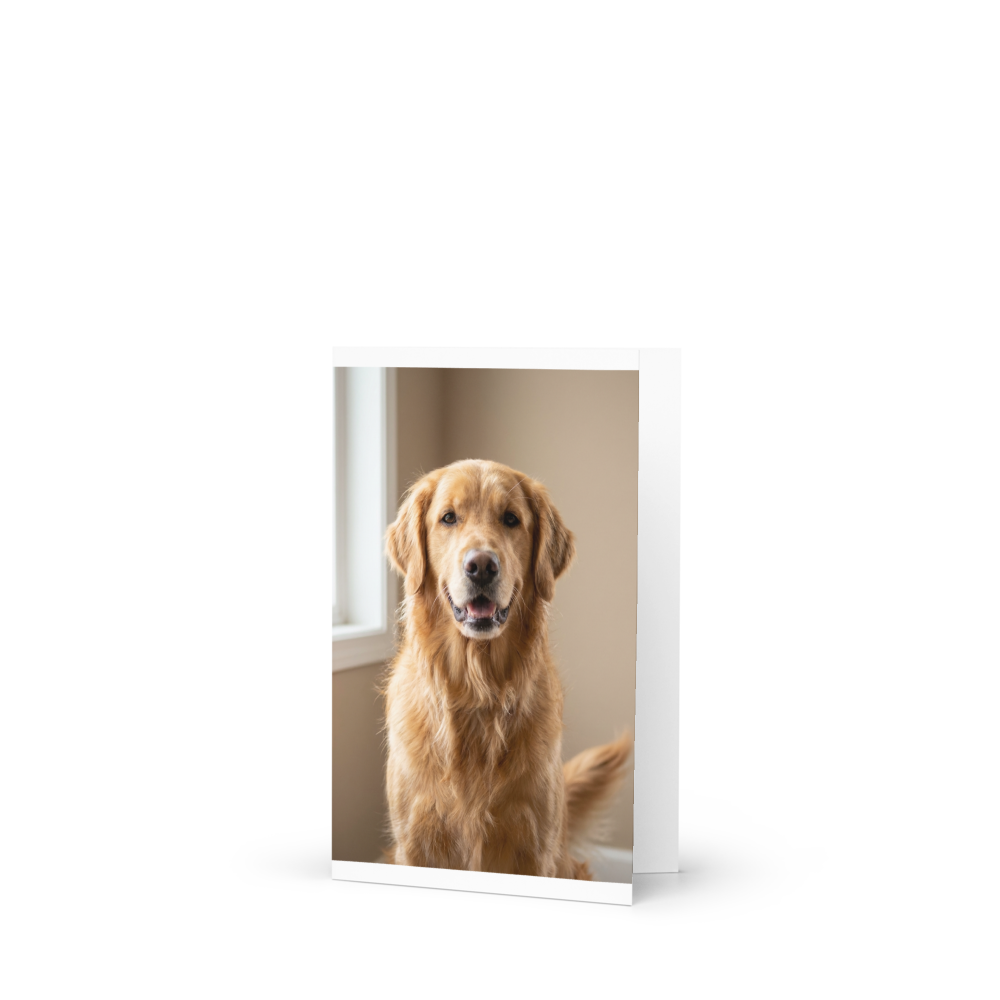
A personalized card adds an extra layer of meaning by celebrating the pet’s face on the cover. Shop Pet Direct offers made-to-order custom pet sympathy cards:
- Sturdy paperboard: Our 4″×6″ (101 × 152 mm) greeting cards are printed on 14.77 oz/yd² (350 g/m²) paperboard using vibrant toner-based printing.
- Made from your photo: Upload a favorite photo of the pet from your phone or social media, add optional name text, and choose from the available styles (our color-corrected, gently sharpened photo style is always offered, with watercolor and line art available when enabled).
- Instant online preview: You see a live preview of your personalized card before adding it to your cart so you can verify the composition right away, with no manual design proof delay.
- Blank inside: The interior is left completely blank so you have plenty of room to write a personal, unhurried message in your own handwriting.
- Included envelope: Every card includes a complimentary envelope, ready for addressing and mailing.
Pairing a card with thoughtful keepsakes
While a handwritten card is complete on its own, you can also pair it with a tangible keepsake if you want to provide physical comfort. Gifting a cozy photo throw blanket, a memorial coffee mug, or a commemorative ornament along with your card creates a comforting tribute package. Browse our personalized pet memorial gifts collection or read our full guide to dog and cat memorial gifts.
Verified emotional support resources
If you notice that your friend or loved one is experiencing severe, persistent grief that interferes with daily functioning, consider gently sharing free, professional pet bereavement helplines:
- Cornell University College of Veterinary Medicine Pet Loss Support Hotline: Call 607-218-7457 for confidential support from trained veterinary students.
- Tufts University Cummings School Pet Loss Support Helpline: Call 508-839-7966 to speak with volunteers who understand the weight of animal companion loss.
Taking the time to write a thoughtful sympathy card validates that their pet was loved and that their grief is shared. A few compassionate words can make a quiet, painful day substantially lighter.
Frequently asked questions
What should you write in a pet sympathy card?
Write from the heart by mentioning the pet by name and recognizing their special role in the family. Acknowledge how deeply they were loved, share a specific warm memory or characteristic, and offer gentle sympathy. Avoid comparisons or advice on replacing the animal, keeping the focus entirely on celebrating their unique life.
When is the best time to send a pet sympathy card?
Send a pet sympathy card as soon as you hear about the loss, ideally within the first three to five days. Arriving during this early period lets the grieving person know they are not alone. However, sending a card a few weeks later is also comforting if you learned about the passing late.
Should you mention the pet's name in a condolence card?
Always mention the pet's name directly in your condolence message. Grieving pet parents view their animals as distinct individuals and family members. Seeing their pet's name written down validates that their companion existed, was known and appreciated by others, and will be remembered with genuine affection.
What should you never write in a pet sympathy card?
Never write dismissive phrases such as saying it was just a dog or cat, suggesting they adopt a new pet soon, or stating that at least they saved money on vet expenses. Avoid minimizing their sorrow by stating that they should move on, as grief for companion animals requires patient time.
How are Shop Pet Direct custom photo sympathy cards made?
Shop Pet Direct prints custom 4″×6″ folded sympathy greeting cards on thick 14.77 oz/yd² (350 g/m²) paperboard. You upload a photo of the pet for the cover, choose from the available styles, add optional name text, and check an instant preview before adding to cart. The inside is left blank for your handwritten message and comes with a complimentary envelope.
Where can someone find free grief support if a pet sympathy card is not enough?
If a friend is experiencing acute grief, you can gently share verified veterinary hotlines. The Cornell University Pet Loss Support Hotline operates at 607-218-7457, and the Tufts Cummings School Pet Loss Helpline is available at 508-839-7966. Both provide free, confidential emotional support from trained listeners.